Wolf Search Group · Canadian Market Brief
Fresh LFS, payroll and vacancy data to plan hiring and career moves in Alberta’s trades

Alberta’s latest indicators point to comparatively firm conditions for skilled trades going into late 2026. While Canada overall saw a September employment dip, Alberta added workers and lowered its unemployment rate. Through mid‑year, vacancies in the province reached a post‑2024 high and average weekly earnings continued to climb. National second‑quarter vacancy patterns also show rising demand in trades‑related occupations. Below, we translate these official signals into practical steps for employers building crews and for trades professionals planning their next move.
Alberta’s September snapshot: provincial momentum amid national softness
In September 2026, seasonally adjusted employment in Alberta increased by 23,000 (+0.9%) to 2,684,000, and the province’s unemployment rate edged down to 6.4% (‑0.4 percentage points in the month). These are net changes across gains and losses, not counts of newly created positions.
Nationally, employment declined by 68,000 (‑0.3%) and the unemployment rate rose to 6.5%. Sectorally across Canada, there were fewer people working in educational services (‑35,000; ‑2.2%), health care and social assistance (‑23,000; ‑0.8%) and manufacturing (‑13,000; ‑0.7%), while “other services” increased (+17,000; +2.1%). For Alberta employers and tradespeople, provincial job growth alongside national headwinds suggests opportunities remain, but sector nuance matters for planning.
- Practical takeaway: Workforce plans should reflect Alberta’s 6.4% unemployment context—candidate supply exists, but competition persists for in‑demand trades.
Sources: [S1]

Vacancies and pay in Alberta through mid‑year: tighter conditions for hiring
Preliminary monthly vacancy estimates show Alberta’s job vacancies rose to 73,100 in July 2026—the province’s highest level since September 2024. Year over year, Alberta’s vacancies were up by 7,900 (+12.0%) in July. The unemployment‑to‑job vacancy ratio stood at 2.8, down 0.6 from a year earlier, signaling comparatively tighter hiring conditions than last summer. Vacancies capture open positions at a point in time; they are not hires.
From the payroll side (SEPH), Alberta’s seasonally adjusted average weekly earnings were $1,399.61 in July 2026, up 2.5% over 12 months. Average weekly earnings reflect combined effects of wages, hours and composition; they are not the same as hourly pay rates. Together, higher vacancies and steady earnings growth imply active competition for qualified trades and site leadership.
- Practical takeaway: Budget for competitive total compensation and streamline decision cycles when recruiting experienced certified trades and forepersons.
Sources: [S2]
Signals for skilled trades: occupation trends to watch
Across Canada, job vacancies in trades, transport and equipment operators and related occupations increased year over year in the second quarter of 2026. Vacancies for positions requiring a trade certificate or diploma also rose year over year, and the unemployment‑to‑vacancy ratio for this education level was the lowest among all levels (1.7). While national in scope, these trends align with Alberta’s elevated mid‑year vacancy levels and suggest persistent employer demand for credentialed trades.
For hiring teams building crews, the mix points to strategies that emphasize certification pathways (for example, Red Seal), accelerated assessment of equivalent credentials and clear progression maps to retain talent. For candidates, up‑to‑date credentials and demonstrated competencies remain decisive in competitive shortlists.
- Practical takeaway: Emphasize recognized trade certifications in postings and fast‑track equivalency reviews to widen qualified pipelines without sacrificing standards.
Sources: [S3]
Industry notes that touch trades: repairs up; education and manufacturing softer
In September, Canada had fewer people working in educational services and manufacturing, while “other services” increased (+17,000; +2.1%). Other services include repair and maintenance, which often draw on mechanical, electrical and general maintenance trades. For Alberta, the national lift in repair and maintenance activity complements the province’s broader September employment gain and may support steady demand for multi‑trade service firms and maintenance contractors.
On a year‑over‑year basis to September, employment in educational services was down nationally, with Alberta contributing to that decrease. Employers and contractors serving school systems should watch bid windows and execution schedules closely, as staffing adjustments on the client side can influence project timing.
- Practical takeaway: Build flexible crew models that can pivot between institutional, industrial and commercial repair and maintenance as demand shifts.
Sources: [S1]
Plan with the indicators: timing, adjustments and what ratios mean
Scope and timing matter. The September Labour Force Survey figures reflect conditions during the September 13–19, 2026 reference week and are seasonally adjusted. July payroll earnings and monthly vacancy indicators are also seasonally adjusted, while the second‑quarter occupation insights reflect a different reference period and mix of adjustments. Employment changes are net movements, not tallies of jobs newly created or eliminated, and vacancies are open positions, not hires.
For Alberta in mid‑to‑late 2026, three signals stand out: (1) September employment increased and the unemployment rate fell; (2) July vacancies were at their highest level since 2024 with a lower unemployment‑to‑vacancy ratio; and (3) national second‑quarter data showed rising vacancies in trades‑related occupations and comparatively tight conditions for trade‑credential roles. Together, these point to a tighter but navigable hiring market for skilled trades—one that rewards early sequencing of key hires and readiness from candidates.
- Practical takeaway: Use unemployment‑to‑vacancy ratios by province as a barometer of hiring difficulty when staging bids and ramping crews.
For companies hiring
- In Alberta, September’s lower unemployment rate alongside July’s higher vacancies indicates tighter hiring for certified trades—lock in supervisors, estimators and licensed trades early in project timelines.
- Benchmark offers to Alberta’s seasonally adjusted average weekly earnings trend and compete on total compensation (premiums, schedules, training and tools).
- Broaden sourcing to multi‑trade and maintenance skill sets that align with rising “other services” activity tied to repair and maintenance.
- Differentiate postings with clear certification requirements and progression pathways; streamline screening for equivalent credentials to speed decision cycles.
- Track sector shifts (education, manufacturing, repair/maintenance) and allocate workforce toward segments with steadier demand.
For people exploring careers
- Alberta’s late‑2026 conditions favour certified trades: keep tickets current, assemble proof of competencies and be ready for structured assessments.
- Target employers with steady repair, maintenance and multi‑site work to smooth seasonality and secure consistent hours.
- Highlight cross‑trade troubleshooting (for example, mechanical and electrical) and safety credentials to stand out in shortlists.
- Watch provincial unemployment and vacancy updates each month to time applications when hiring urgency rises.
- For estimators and forepersons, emphasize project outcomes, cost control and schedule delivery—these roles are often staffed first.
How Wolf Search Group can support you
Wolf Search Group helps Alberta employers build high‑performing trade and site teams, and supports trades professionals exploring quality opportunities. We combine experienced recruiters with technology‑enabled sourcing, thoughtful screening and interview coordination to keep decisions moving. Whether you’re planning a crew ramp or considering your next step, we can align your requirements or career goals with Alberta’s real‑time market dynamics and connect you with the right conversations.
Explore recruitment support · Browse career opportunities · Talk to Wolf Search Group
Sources and reporting dates
Reporting periods are stated in the source titles. Release dates are not the reporting month.
- Labour Force Survey, September 2026 — Statistics Canada; released 2026-10-09, retrieved 2026-10-11.
- Payroll employment, earnings and hours, and job vacancies, July 2026 — Statistics Canada; released 2026-09-24, retrieved 2026-10-11.
- Job vacancies, second quarter 2026 — Statistics Canada; released 2026-09-15, retrieved 2026-10-11.
Photo credits
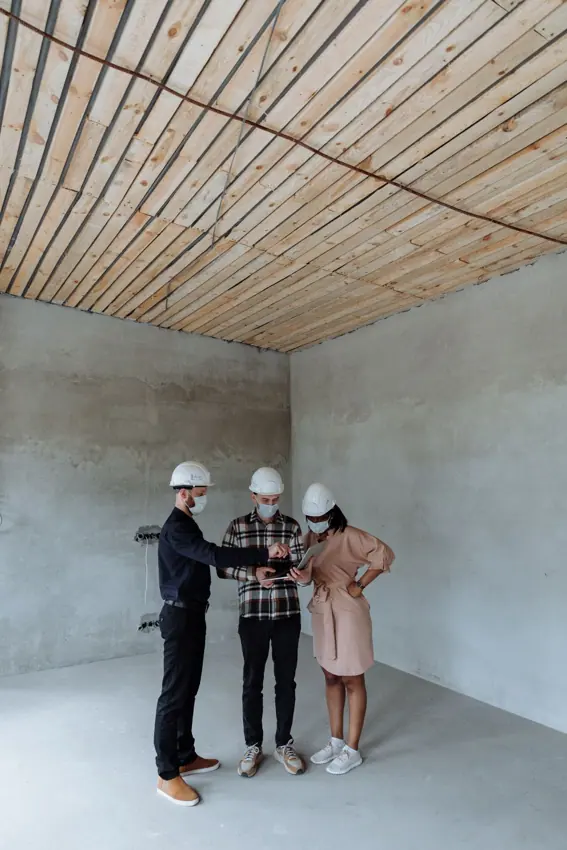
Illustrative stock photography; not identified Wolf Search Group clients or candidates.